
Sep 29, 2026Buying Guides
How to Choose a Commercial Refrigerator for Your Restaurant
Choosing a commercial refrigerator comes down to capacity, temperature zones, cooling type and material. A practical buyer's guide for restaurant owners and kitchen planners.
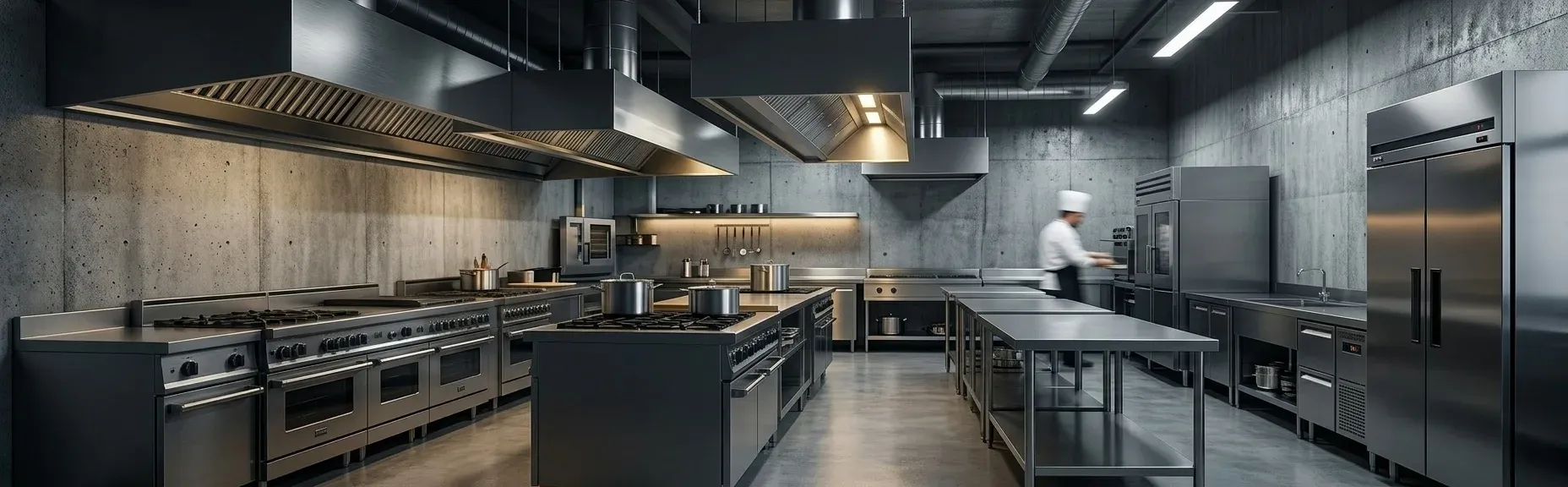
Why the Right Refrigerator Matters
In a professional kitchen, refrigeration supports both food safety and service speed. An undersized or unreliable unit leads to spoilage and rushed replacements. This guide breaks the decision into five practical questions.
1. How Much Capacity Do You Need?
Start with your menu and covers. As a rough rule of thumb: a small cafe or food truck needs around 200-400L; a mid-size restaurant around 400-800L; a busy restaurant or hotel kitchen 800L or more, or several units. Check internal dimensions if you store GN pans or baking trays, not just the litre rating.
2. Upright, Worktop, or Saladette?
Upright refrigerators offer the most storage per square metre; four- and six-door models are common. Worktop refrigerators double as a prep surface when floor space is tight. Saladette or prep counters keep ingredients within reach at the prep station. Many kitchens use a combination.
3. Fridge, Freezer, or Both?
If you store both fresh and frozen goods, a dual-temperature unit can save space by combining two zones in one cabinet. Confirm the two zones have independent controls, otherwise a single thermostat may compromise one side.
4. Direct Cooling vs Air Cooling
Direct cooling uses evaporator coils around the cabinet: simple and energy-efficient, holding temperature well when doors stay closed. Air cooling (fan-forced) distributes cold air evenly and recovers faster after door openings, which suits high-traffic kitchens. Match the system to how often your doors open.
5. What to Check Before You Buy
Look at the compressor brand, such as Donper or Embraco. Check the body material: SS201 is standard, while SS304 offers better corrosion resistance in humid or coastal kitchens. Inspect door seals and hinges, which fail first. Consider energy use, because a cheap unit that runs constantly is rarely cheap. And confirm spare parts and after-sales support are available.
Know Your Market's Certification Requirements
If you operate in or export to a regulated market, check the required certifications before buying. The EU generally requires CE marking; North America typically requires NSF and UL or ETL; Saudi Arabia requires SASO or SABER. Always ask suppliers which certifications their units actually hold, and treat a claim as a claim until you see the certificate.
Quick Checklist
Capacity matched to menu and covers. Right type: upright, worktop or saladette. Single, dual or multi-temperature as needed. Cooling system suited to traffic. Reliable compressor and body material. Certifications for your market. Spare parts and after-sales available.
Working With a Supplier
When comparing suppliers, ask for the model's specifications, lead time and container loading quantities. A supplier who answers clearly before the sale is usually the one who supports you after it.
Send us your requirement and destination port and we will reply with a quotation.